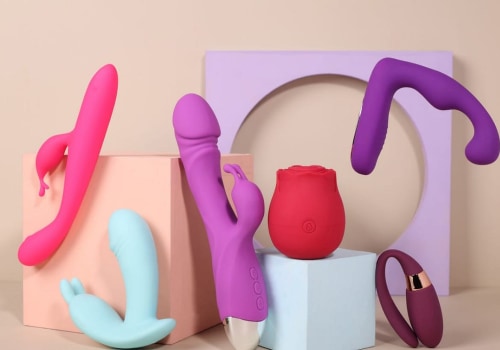
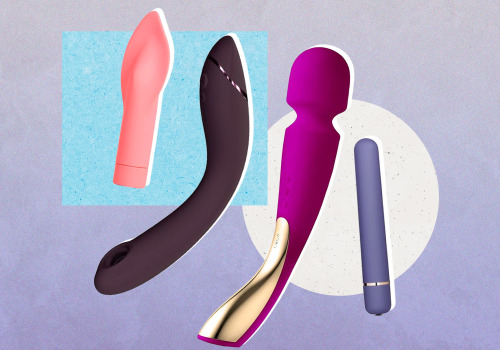
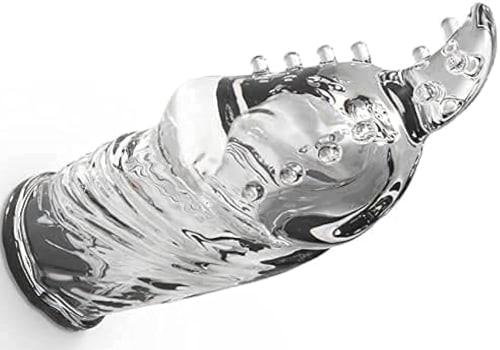
In the realm of sexual wellness, the use of sex toyssex toys has gained significant traction, offering individuals and couples a means to explore their desires and enhance their intimate experiences. However, with this newfound freedom comes a critical responsibility: maintaining proper hygiene. Understanding the importance of cleaning sex toys is not merely a matter of preference; it is essential for safeguarding your sexual health and ensuring a safe, pleasurable experience.When sex toys are used without adequate cleaning, they can become breeding grounds for bacteria, fungi, and other pathogens. These microorganisms can lead to a variety of health issues, including infections and irritations that can detract from the enjoyment of sexual activities. has gained significant traction, offering individuals and couples a means to explore their desires and enhance their intimate experiences. However, with this newfound freedom comes a critical responsibility: maintaining proper hygiene. Understanding the importance of cleaning sex toys is not merely a matter of preference; it is essential for safeguarding your sexual health and ensuring a safe, pleasurable experience.When sex toys are used without adequate cleaning, they can become breeding grounds for bacteria, fungi, and other pathogens. These microorganisms can lead to a variety of health issues, including infections and irritations that can detract from the enjoyment of sexual activities.
The risk is particularly heightened for those who engage in activities involving multiple partners or different types of play, where the potential for cross-contamination increases significantly. Therefore, establishing a routine for cleaning your toys before and after each use is paramount.Moreover, the materials used in sex toys vary widely—from silicone to glass to rubber—each requiring specific care to maintain their integrity and functionality. Neglecting to clean these items properly not only poses health risks but can also shorten the lifespan of your beloved toys. By prioritizing hygiene practices, you not only protect yourself but also enhance your overall experience, allowing you to focus on pleasure rather than worry about potential health concerns.In this article, we will delve deeper into the various aspects of cleaning sex toys, exploring effective methods and best practices that ensure both safety and satisfaction.
By understanding the significance of proper cleaning techniques, you empower yourself to enjoy your sexual journey fully while prioritizing your health and well-being.
Health Risks Associated with Unclean Sex Toys
Using sex toys can enhance pleasure and intimacy, but neglecting proper hygiene can lead to serious health risks. Understanding these risks is essential for anyone who incorporates these items into their sexual experiences.Bacterial Infections
One of the most significant dangers associated with unclean sex toys is the risk of bacterial infections. Bacteria can thrive on the surfaces of toys, especially those made from porous materials. When these toys come into contact with sensitive areas of the body, they can introduce harmful bacteria, leading to infections such as:
- Bacterial Vaginosis: This condition occurs when there is an imbalance of bacteria in the vagina, often resulting in unusual discharge and odor.
- Urinary Tract Infections (UTIs): Bacteria from dirty toys can enter the urethra, causing painful UTIs that require medical treatment.
- Yeast Infections: An overgrowth of yeast can occur when harmful bacteria disrupt the natural flora, leading to discomfort and irritation.
Sexually Transmitted Infections (STIs)
Another critical concern is the potential transmission of sexually transmitted infections (STIs).
If sex toys are shared between partners without proper cleaning, they can act as vectors for STIs such as:
- Chlamydia
- Gonorrhea
- Herpes
- Human Immunodeficiency Virus (HIV)
Other Complications
The risks associated with unclean sex toys extend beyond infections. Prolonged exposure to bacteria and irritants can lead to:
- Skin Irritation: This can manifest as rashes or allergic reactions, particularly for individuals with sensitive skin.
- Mold Growth: If toys are not dried properly before storage, mold can develop, posing additional health risks when reintroduced to the body.
- Decreased Lifespan of Toys: Neglecting hygiene can also damage the materials of the toy itself, leading to deterioration and making them unsafe for use.
Cleaning Techniques After Use: A Step-by-Step Guide
Cleaning your sex toys after use is essential for maintaining hygiene and ensuring your sexual health. Proper cleaning not only prevents the spread of bacteria and infections but also prolongs the lifespan of your toys.Here’s a detailed step-by-step guide to help you effectively clean your sex toys after each use.
- Gather Your Supplies: Before you start, make sure you have everything you need within reach. This includes:
- A mild soap or a specialized toy cleaner
- Warm water
- A clean cloth or towel
- A soft brush (optional, for textured toys)
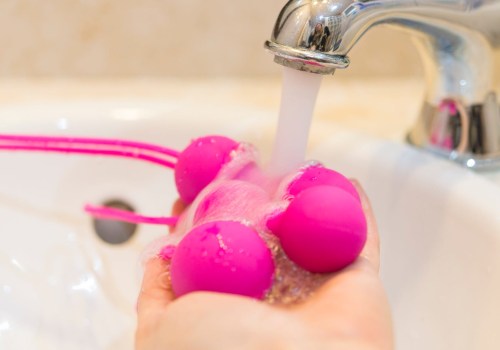
- Rinse the Toy: Begin by rinsing your toy under warm running water. This helps to remove any bodily fluids or lubricants that may be on the surface. Ensure that the water is not too hot, as extreme temperatures can damage some materials.
- Apply Cleaner: Use a mild soap or a specialized cleaner designed for sex toys.
Apply a small amount directly onto the toy or onto a clean cloth. If using soap, ensure it is free from harsh chemicals and fragrances that could irritate sensitive areas.
- Clean Thoroughly: Gently scrub the entire surface of the toy, paying special attention to any crevices, ridges, or textured areas where bacteria can hide. If your toy has intricate designs, consider using a soft brush to reach those hard-to-clean spots.
- Rinse Again: After cleaning, rinse the toy thoroughly under warm water to remove all soap or cleaner residue. It’s crucial to ensure that no cleaning product remains on the toy, as this can lead to irritation during future use.
- Dry Properly: Use a clean towel to gently pat the toy dry.
Alternatively, you can let it air dry completely on a clean surface. Avoid using heat sources like hair dryers, as they can damage the material.
- Store Safely: Once your toy is clean and dry, store it in a cool, dry place away from direct sunlight. Consider using individual storage bags or containers to keep them separate and protected from dust and other contaminants.
Choosing the Right Cleaning Products for Your Sex Toys
When it comes to maintaining the hygiene of your sex toys, selecting the right cleaning products is essential.Not all cleaners are suitable for every type of toy, and using the wrong product can lead to damage or health risks. Here’s a comprehensive guide to help you choose the best cleaning products for your intimate items.
Understanding Toy Materials
Before selecting a cleaner, it’s crucial to understand the material of your sex toy. Different materials have varying levels of porosity and durability, which affects how they should be cleaned:- Silicone: Non-porous and easy to clean, silicone toys can be washed with warm water and mild soap or a specialized toy cleaner.
- Glass and Metal: These materials are also non-porous and can be cleaned similarly to silicone. They can even be boiled for sterilization.
- Rubber and Jelly: These porous materials require special care.
It’s best to use a cleaner specifically designed for these types of toys, as they can harbor bacteria if not cleaned properly.
- Latex: Latex toys should be cleaned with mild soap and water. Avoid oil-based cleaners as they can degrade the material.
Safe Ingredients to Look For
When choosing a cleaning product, look for those that contain safe, gentle ingredients. Here are some key components to consider:- Mild Soap: A gentle, unscented soap is often sufficient for cleaning most toys.
- Specialized Toy Cleaners: These products are formulated specifically for sex toys and are typically free from harsh chemicals.
- Hypoallergenic Options: If you have sensitive skin or allergies, opt for hypoallergenic cleaners that minimize the risk of irritation.
Avoiding Harmful Chemicals
It’s equally important to avoid certain ingredients that can damage your toys or pose health risks:- Alcohol and Bleach: These harsh chemicals can degrade materials and cause irritation.
- Scented Products: Fragrances can lead to allergic reactions or irritations in sensitive areas.
- Abrasive Cleaners: Avoid anything that could scratch or damage the surface of your toys.
FAQs About Cleaning Sex Toys: Your Questions Answered
When it comes to maintaining the hygiene of your sex toys, many users have questions about the best practices for cleaning and care.Below are some frequently asked questions that can help clarify any uncertainties you may have.
1.How often should I clean my sex toys?
It is essential to clean your sex toys before and after each use. This practice helps eliminate bacteria and reduces the risk of infections. If you are sharing toys with a partner, cleaning them between uses is even more critical.2.Can I use regular soap to clean my sex toys?
While you can use mild soap, it is advisable to opt for a specialized toy cleaner designed specifically for sex toys. Regular soaps may contain fragrances or harsh chemicals that can irritate sensitive areas or damage the material of the toy.3.Are there specific cleaning methods for different materials?
Yes, different materials require different cleaning methods:- Silicone: Wash with warm water and mild soap or a specialized cleaner.
- Glass or Metal: These can be cleaned similarly to silicone but can also be boiled for sterilization.
- PVC or Jelly Rubber: Use a toy cleaner, as these materials are porous and can harbor bacteria.
4.Is it safe to put my sex toys in the dishwasher?
This depends on the material of your toy.Some silicone toys are dishwasher safe, but many others are not. Always check the manufacturer's instructions before using a dishwasher for cleaning.
5.How should I store my sex toys after cleaning?
After cleaning, ensure your sex toys are completely dry before storing them. Store them in a cool, dry place away from direct sunlight. It’s best to keep them in individual bags or containers to prevent materials from reacting with each other.6.What if I notice damage on my toy?
If you see any cracks, tears, or discoloration on your sex toy, it’s time to replace it.Damaged toys can harbor bacteria and may not be safe for use.If you have more questions about maintaining your sexual health and safety through proper toy care, don’t hesitate to consult with experts or refer to reliable resources online.
Conclusion: Prioritizing Hygiene for a Safe Sexual Experience
In summary, the importance of maintaining proper hygiene with sex toys cannot be overstated. As we have explored throughout this article, the act of cleaning your toys before and after use is not merely a suggestion; it is a fundamental practice that safeguards your sexual health and enhances your overall experience. By prioritizing hygiene, you are taking proactive steps to prevent the spread of bacteria, infections, and other health risks that can arise from neglecting this essential aspect of sexual wellness.To recap, here are the key points to remember:- Regular Cleaning: Always clean your sex toys thoroughly after each use. This includes using warm water and a mild soap or a specialized toy cleaner to ensure that all surfaces are free from bacteria.
- Material Awareness: Different materials require different cleaning methods.
Understanding the specific needs of your toys will help you choose the right cleaning products and techniques.
- Drying and Storage: Properly drying your toys and storing them in a clean, dry place is crucial for preventing mold and bacteria growth. Consider using individual bags or containers to keep them safe from dust and damage.
- Inspection: Regularly inspect your toys for any signs of wear and tear. If you notice any damage, it may be time to replace them to ensure safety during use.
- Education: Stay informed about best practices for sexual health and hygiene. Knowledge empowers you to make safe choices regarding your sexual experiences.
Remember, prioritizing hygiene is an act of self-care that reflects respect for both yourself and your partner(s). As you continue to explore the world of sex toys, let cleanliness be a guiding principle that enhances pleasure while ensuring safety.Ultimately, embracing good hygiene practices with your sex toys is an investment in your sexual health. It allows you to fully enjoy the benefits these products offer while minimizing potential risks. So, as you embark on your journey of sexual exploration, keep hygiene at the forefront of your mind—your body will thank you for it!.